South Korea is one of the world leaders in high-tech medicine, offering modern equipment, innovative treatment methods, and highly qualified specialists.
South Korea has earned a reputation as one of the leading centers for medical tourism in Asia, offering high-quality treatment at competitive prices. Korean medical institutions are equipped with the latest technologies and equipment, and doctors regularly undergo training in leading clinics in the US and Europe.
Since 2009, the South Korean government has actively supported the development of medical tourism, creating special programs and centers for foreign patients. Every year, more than 300,000 medical tourists visit the country, confirming the high level of Korean medicine.
Korean hospitals are known for their comprehensive approach to diagnosis and treatment, combining Western medicine with traditional Eastern methods. Special attention is paid to patient comfort: most large clinics have international departments with specialists speaking different languages.
Korean (primary), English (in major clinics and tourist areas)
South Korean Won (KRW)
Temperate monsoon, four distinct seasons
For citizens of Kazakhstan - visa-free regime up to 30 days
We work with the best medical centers in South Korea that guarantee a high level of treatment and comfort
Seoul, Gangnam
Samsung Medical Center (SMC) is one of the most advanced medical centers in South Korea, founded in 1994 by Samsung Corporation. The center is renowned for its oncology department, organ transplantation department, and robotic surgery.
Seoul, Songpa
Asan Medical Center (AMC) is the largest hospital in Korea, founded in 1989. It receives more than 2.3 million outpatients annually. AMC is known for its achievements in organ transplantation, cancer treatment, and cardiovascular diseases.
Seoul, Sinchon
Severance Hospital is the oldest and one of the most prestigious hospitals in Korea, founded in 1885. It is part of the medical complex of Yonsei University. Known for its innovative approaches to treatment and research.
Seoul, Yongsan
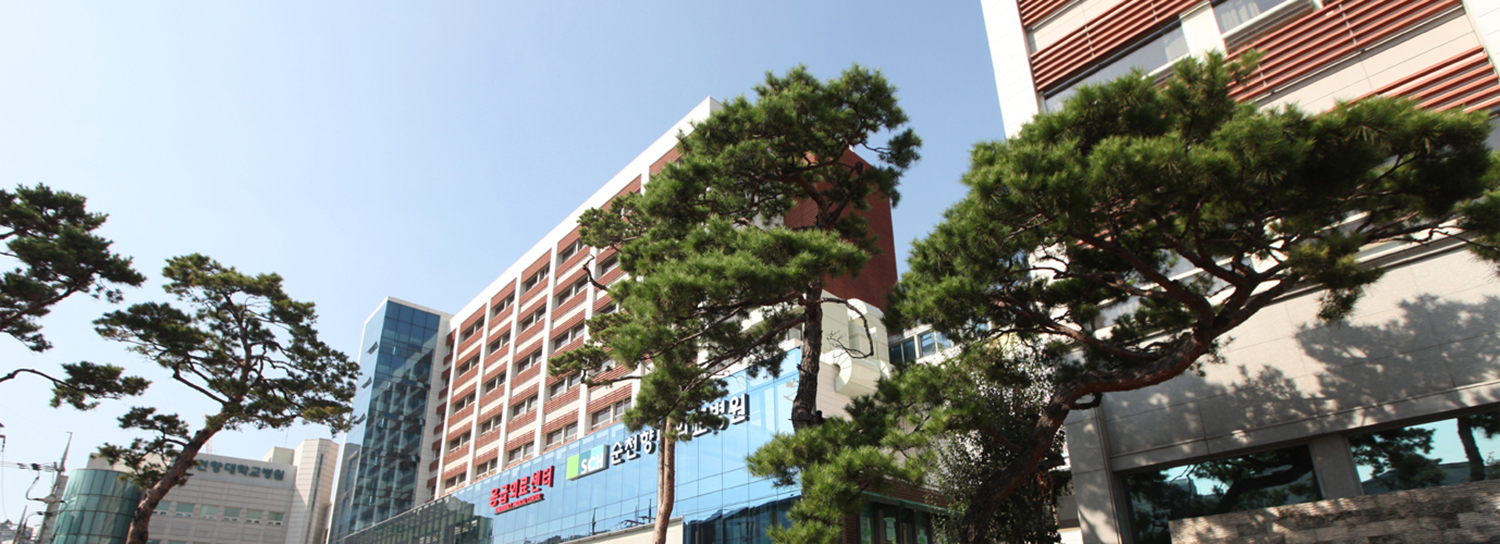
Soonchunhyang University Seoul Hospital is a leading medical institution founded in 1974. The hospital is known for its achievements in organ transplantation, cancer treatment, and gastroenterology. The medical center provides high-quality medical services using the latest technologies.
Korean oncology centers offer comprehensive cancer treatment programs using innovative methods, including proton therapy, robotic surgery, and immunotherapy.
South Korea is a world leader in robotic surgery, offering minimally invasive interventions using the da Vinci system, which ensures faster recovery and minimal complications.
Korean plastic surgeons are known for their expertise in aesthetic and reconstructive surgery, attracting patients from around the world with innovative techniques and excellent results.
Korean cardiology clinics are equipped with the latest equipment for the diagnosis and treatment of cardiovascular diseases, including complex heart and vascular surgeries.
South Korean clinics demonstrate high success rates in organ transplantation, including liver, kidney, heart, and bone marrow transplantation, using advanced technologies and innovative approaches.
Korea is at the forefront of stem cell research and application, offering innovative treatment methods for degenerative diseases, orthopedic problems, and regenerative medicine.
Korean hospitals are equipped with the latest medical equipment and implement innovative technologies earlier than many other countries.
Korean clinics have international accreditations and a strict quality control system, ensuring a high level of medical care.
The cost of treatment in South Korea is 30-45% lower than in the US or Western Europe, with comparable or higher quality.
Korean medicine combines the achievements of modern science with elements of traditional Eastern medicine to achieve the best results.
Korean clinics offer a high level of service, including translators, coordinators, and comfortable stay conditions.
South Korea combines treatment with the opportunity to explore the rich culture, history, and modern attractions of the country.
To organize treatment in South Korea, you need to prepare medical documents (extracts, examination results), choose a clinic and a doctor, receive an invitation from the hospital, and obtain a visa. Our company helps at all stages of this process, including the translation of medical documents, communication with the clinic, trip organization, and support during treatment.
The cost of treatment depends on the diagnosis, the chosen clinic, and the necessary procedures. On average, prices are 30-45% lower than in the US or Western Europe. For example, a comprehensive examination (check-up) costs from $500 to $1,500, heart surgery — from $20,000 to $40,000, cancer treatment — from $15,000 to $50,000. We provide detailed information about the cost after consultation with the clinic's doctors.
Large Korean clinics have international departments with staff speaking English and other languages. For Russian-speaking patients, our company provides interpreter services and a personal coordinator who accompanies the patient at all stages of treatment and ensures effective communication with medical personnel.
The duration of stay depends on the type of treatment. For a comprehensive examination, 3-5 days are sufficient. Surgical treatment usually requires 1-3 weeks, including preoperative preparation and postoperative observation. Long-term treatment, for example in oncology, can take from several weeks to several months. We develop an individual stay plan depending on the patient's medical needs.
Our specialists will help you plan your trip and select the optimal clinic for your case